Quiet Signals, Clear Living

Today we dive into designing ambient light and sound cues for subtle home notifications, turning interruptions into calm, legible signals that respect attention and still keep you informed. Expect practical methods, delightful stories, and field‑tested ideas you can adapt right away. Share where you struggle most—late‑night alerts, kitchen chaos, or work‑from‑home boundaries—and we’ll build gentle solutions together, one whispering glow and soft tone at a time.

Calm Over Clamor: Why Soft Cues Work

Your home should support focus, rest, and family connection, not demand attention with blaring interruptions. Subtle, ambient cues reduce cognitive load, prevent startle responses, and fit naturally into daily rhythms. Drawing on calm technology principles and human perception research, we’ll balance noticeability with serenity, creating signals that feel friendly, polite, and consistently interpretable across rooms, times of day, and household members’ differing sensitivities.

Light That Listens to the Room

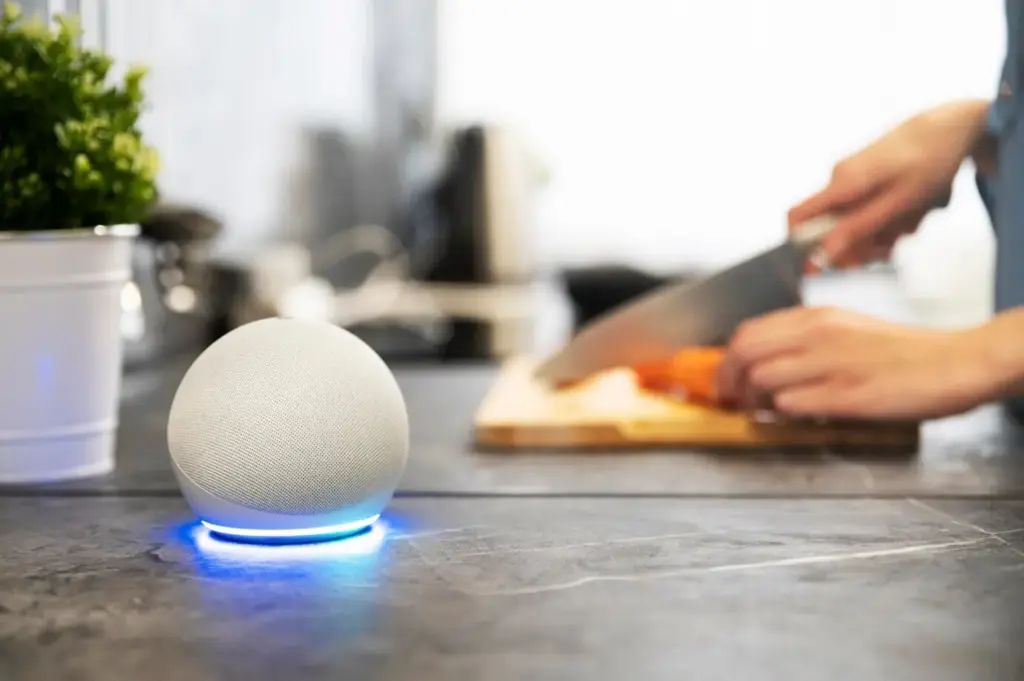
Ambient illumination can whisper guidance when it respects space, materials, and circadian comfort. Diffused, indirect light communicates beautifully without glare. Color temperature aligns with biology, while saturation carries meaning without screaming. Motion and intensity ramps create legibility through timing rather than brute force. With thoughtful placement and gentle gradients, walls become storytellers, corridors become guides, and everyday tasks gain a reassuring, almost theatrical clarity.

Sound That Whispers, Never Jars

Audio cues can be gentle yet unmistakable when crafted with psychoacoustics in mind. Think timbre over volume, contour over insistence, and brevity over repetition. A tiny marimba motif is friendlier than a beep; a soft wooden click can confirm without stealing attention. By fitting within room noise and respecting sleep schedules, sound becomes a considerate housemate rather than an impatient interrupter.

Timbre, Harmony, and Identity

Assign distinctive instrument families to categories: mallets for household chores, airy pads for informative status, muted plucks for actionable tasks. Use consonant intervals and short motifs with gentle attack and natural decay. Keep patterns under two seconds to avoid earworms. A parent told us their child now associates a cozy marimba triad with “homework printer ready,” smiling each time—a small musical signature turning chores into cooperative moments.

Loudness, Masking, and Room Noise

Measure your ambient sound with an A‑weighted SPL app at typical times; aim for cues roughly 6–10 dB above the noise floor, never startlingly higher. Beware masking from dishwashers or HVAC; shift energy away from dominant bands or add subtle spatialization. Normalize peaks rather than pushing volume. Periodically recalibrate for seasons and routines, and log misses to tune thresholds. The goal is audible clarity without any jump‑scare moments.

Mapping Home Events into Gentle Signals

Translate events into cues with a clear, forgiving system. Classify by urgency, persistence, and actionability, then map to light, sound, or both. Reserve combinations for priority cases, and allow escalation only when a cue is repeatedly ignored. Keep associations stable so learning sticks, yet flexible enough to adapt through feedback. The result is a house that speaks softly yet gets the message across reliably.

Urgency Ladder and Escalation Paths

Start with single‑modality cues and short durations. If unacknowledged, extend gently: a longer ramp, a slightly brighter hue, or a second, softer audio motif. Critical cases may combine modalities, but remain polite unless safety demands otherwise. Incorporate snooze gestures, quiet hours, and time‑of‑day rules. People consistently report less stress when cues rise only as needed, rather than leaping straight to maximum attention every time.

Consistency and Learnability

Keep mappings stable so family members build fluency: same color family for deliveries across rooms, same chord quality for chores, same ramp shape for reminders. Use short onboarding cards, fridge legends, or a tiny in‑app gallery to reinforce patterns. Revisit once quarterly, not constantly. By treating signals like a friendly household language, you create fast comprehension with minimal cognitive effort, even for guests who visit only occasionally.

Prototype, Measure, Iterate

Build small, observe honestly, and refine with real data. Start with a handful of events and a minimal palette. Log misses, delays, and false alarms. Measure lux and SPL, capture feedback from family, and run tiny A/B trials. Expect to be surprised; your quietest room may need brighter cues at dusk. Iteration turns good intentions into a genuinely graceful and dependable household companion.

Baseline Profiles for Light and Noise

Profile your rooms at morning, afternoon, and night: lux at typical seating, and A‑weighted SPL during routine activities. Note reflective surfaces, window glare, and seasonal shifts. Build thresholds from data, not guesses. A reader discovered their living room’s evening reflections swallowed low‑saturation hues, so they increased diffusion and chose deeper ambers, immediately improving clarity without increasing brightness or attracting unwanted attention from the rest of the house.

Wizard‑of‑Oz Trials and A/B Experiments

Before automation, fake it: trigger cues manually while observing reactions. Compare two light ramps or motifs over a week; track response time and perceived pleasantness. Solicit short daily ratings from household members. One family learned a single marimba note beat a longer arpeggio for acknowledging laundry, because shorter meant less cognitive interruption. Small experiments give clear answers without committing to complicated automations too early.

Telemetry, Feedback, and Success Criteria

Define what success looks like: fewer missed events, faster acknowledgments, lower reported stress, and no startle incidents over a month. Log cue triggers, acknowledgments, and escalation counts locally. Collect lightweight feedback via weekly check‑ins. If metrics drift, adjust intensity, timing, or modality. Celebrate when the house feels quieter yet more informative. Share your findings with us, and we’ll feature standout patterns so others can learn from your journey.

Cross‑Platform Patterns That Survive Updates

Use an event bus like MQTT or a rules engine such as Node‑RED or Home Assistant automations to decouple triggers from cues. Keep mappings in versioned files, and add sanity checks for unavailable devices. Prefer local APIs, but include backoffs and retries. When platforms update, modularity prevents domino failures. Readers routinely report smoother maintenance when cues are composed like small, swappable building blocks rather than tangled chains.

Fail‑Safes and Quiet Hours

Build a global kill‑switch, per‑room quiet hours, and a safe‑default profile for power outages. Critical safety signals can escalate while everything else gracefully mutes after bedtime. Battery‑backed hubs and watchdog automations ensure essential cues survive network glitches. These safeguards reduce anxiety, preserve trust, and protect sleep, letting your ambient system act like a caring steward instead of another needy gadget demanding attention at the worst possible moments.
Zuzinuxutazizuvanu
Privacy Overview

This website uses cookies so that we can provide you with the best user experience possible. Cookie information is stored in your browser and performs functions such as recognising you when you return to our website and helping our team to understand which sections of the website you find most interesting and useful.