Wave, Stay, and Control: The Future of Hands‑Free Homes
Welcome! Today we dive into gesture and presence detection for touch‑free household control, exploring how subtle movements and simple proximity can switch lights, adjust climate, cue music, and improve hygiene. You will discover sensors, algorithms, design patterns, and real stories that transform ordinary rooms into responsive companions, with privacy, safety, and reliability guiding every decision along the journey.

Sensing the Invisible: How Devices Perceive You

{{SECTION_SUBTITLE}}
Radar and Micro‑Doppler
Short radio bursts reflect from tiny motions in your fingers, producing micro‑Doppler signatures that distinguish a wave from a pinch. Compared with cameras, radar respects lighting and often privacy expectations, penetrating sleeves and smoke. We discuss chip choices, antenna patterns, processing pipelines, and practical mounting that avoid ceiling glare and reduce multipath ghosts around cabinets or mirrors.

Vision Without Faces

Depth sensors and privacy‑aware edge models let devices recognize gestures without recording identity or facial details. Silhouettes, skeletal keypoints, and optical flow summarize movement while discarding sensitive content. We outline occlusion handling near countertops, wide field coverage in kitchens, and strategies for sunlight, reflective appliances, and pets that unexpectedly insert tails into carefully choreographed scenes.

From Motion to Meaning: Algorithms That Understand
Classical Pipelines Done Right

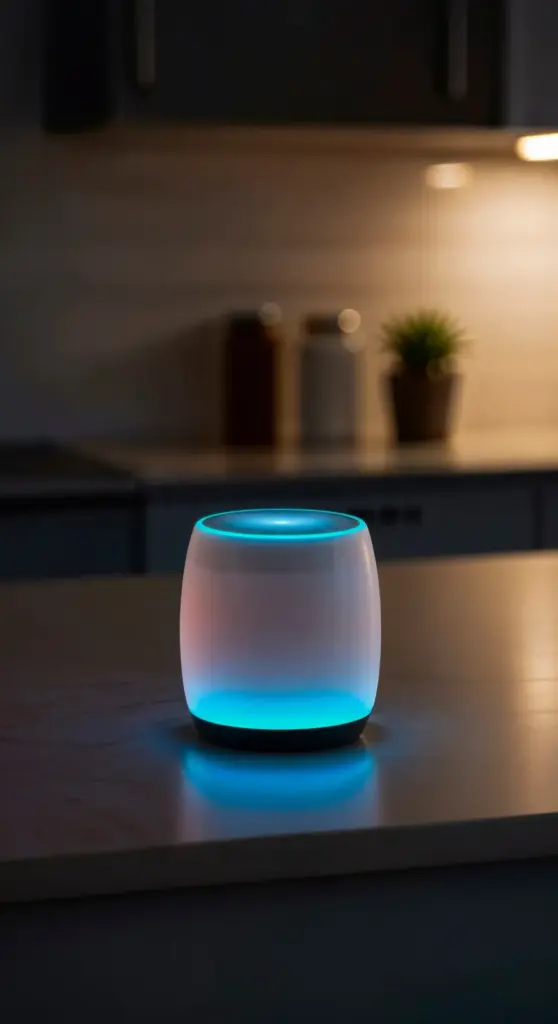
Before deep networks, robust systems thrived on carefully engineered features. Band‑pass filters, FFT bins, delta energies, and temporal grammars still shine when power budgets are tight. We share reference numbers, data collection tricks, and annotation habits that reduce confusion, including balanced classes and adversarial examples like jacket sleeves imitating swipes on rainy, hurried evenings.

Deep Models on Tiny Chips

Before deep networks, robust systems thrived on carefully engineered features. Band‑pass filters, FFT bins, delta energies, and temporal grammars still shine when power budgets are tight. We share reference numbers, data collection tricks, and annotation habits that reduce confusion, including balanced classes and adversarial examples like jacket sleeves imitating swipes on rainy, hurried evenings.

Low Latency, High Confidence

Before deep networks, robust systems thrived on carefully engineered features. Band‑pass filters, FFT bins, delta energies, and temporal grammars still shine when power budgets are tight. We share reference numbers, data collection tricks, and annotation habits that reduce confusion, including balanced classes and adversarial examples like jacket sleeves imitating swipes on rainy, hurried evenings.

A Gesture Grammar That Feels Obvious

Households succeed when motions map cleanly to intentions. A short wave toggles, a linger brightens, a two‑finger pinch dims, and a palm push stops. We describe progressive disclosure, guided discovery stickers, and gentle tooltips that appear only once, helping visitors succeed without manuals while keeping daily use quick for confident, returning residents.

Feedback That Reduces Uncertainty

Without tactile buttons, people crave confirmation. Soft chimes, directionally aimed LEDs, and tiny motor movements on blinds communicate recognition and state. We propose multimodal feedback budgets that respect nighttime quiet hours, plus color conventions that stay consistent across rooms, even when vendors differ, so habits form quickly and mistakes fade after the first week.

Reliability, Safety, and Privacy in Everyday Rooms
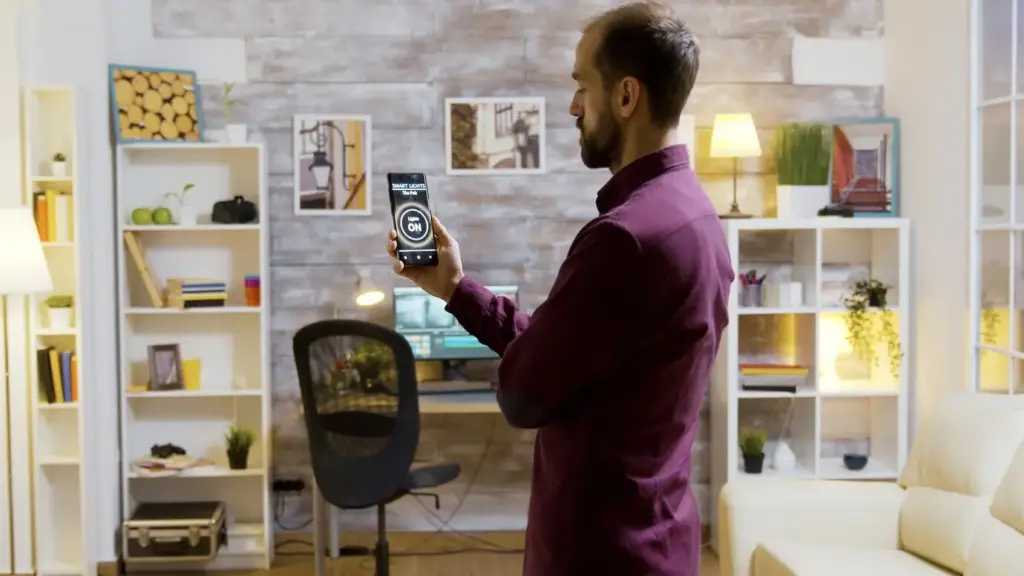
Trust grows when systems behave responsibly. We outline defenses against accidental triggers, robust presence confidence for occupancy automation, and safeguards around heaters, ovens, and water valves. Privacy‑preserving architectures prioritize on‑device processing, minimal retention, and transparency dashboards. Families should know what gets sensed, when it is deleted, and how to pause or override everything instantly.

Practical Builds: Hardware Choices and Integration

Turning prototypes into dependable fixtures requires careful parts and plumbing. We compare radar modules, depth cameras, ultrasonic transducers, microcontrollers, and compute boards, plus power strategies from coin cells to wired PoE. You will learn mounting tricks, enclosure materials, thermal limits, and how to retrofit legacy switches while keeping warranties, insurance, and local codes satisfied.

Picking Sensors and Power Budgets

Battery life shapes feasibility. We estimate current draw for idle presence scans, bursty gesture sampling, inference, and radios. Techniques include duty cycling, wake‑on‑motion, and compressive sensing. For mains power, we consider electromagnetic interference and grounding, ensuring nearby dimmers, refrigerators, and chargers will not pollute readings or create mysterious, intermittent resets under peak loads.

Placement and Environmental Factors

Where you mount matters more than marketing claims. Corners produce echoes, glossy tiles reflect beams, and fabric absorbs sound. We map coverage with quick tape tests and cardboard mockups, revealing blind spots near shelving, stairwells, and sinks, and showing why eye‑level angles often outperform ceilings unless careful beam shaping and masks are applied.

A Family Tries Gesture Lights
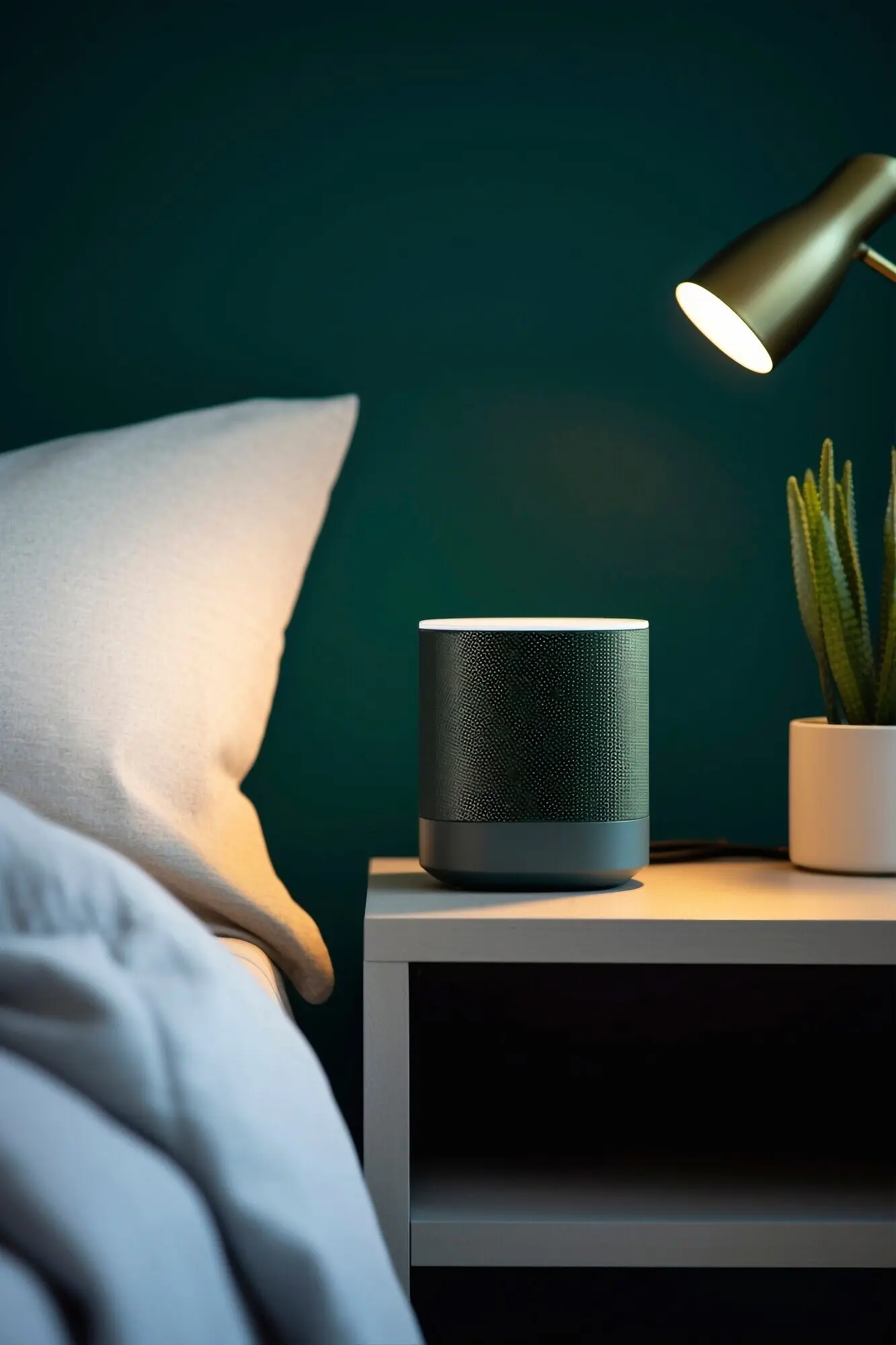
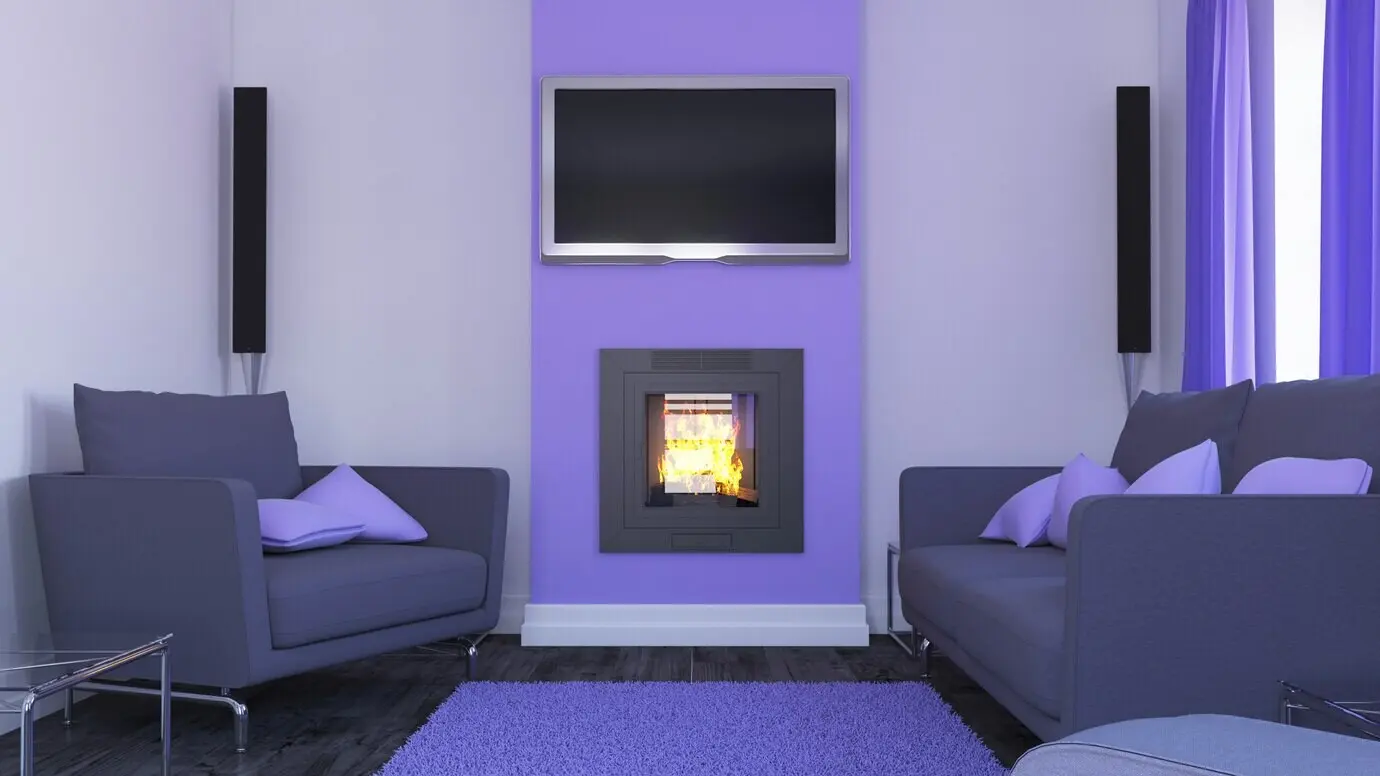
In one pilot, grandparents loved hand waves for hallway nights, while toddlers gleefully turned kitchens into concerts. After we introduced presence‑weighted dimming and a bedtime quiet profile, satisfaction rose dramatically. Their story illustrates how small policy tweaks defuse chaos and preserve magic without expecting constant retraining, stern reminders, or awkward, taped‑over sensors near doors.

Measuring What Matters

Dashboards are useful only if numbers map to comfort. We emphasize meaningful metrics: resolved intents per day, seconds to confirmation, corridor coverage gaps, and percentage of actions requiring repetition. Surveys and passive prompts complement logs, ensuring human perceptions, not only graphs, steer upgrades, firmware changes, and retraining schedules through seasons, renovations, and shifting routines.
Zuzinuxutazizuvanu
Privacy Overview

This website uses cookies so that we can provide you with the best user experience possible. Cookie information is stored in your browser and performs functions such as recognising you when you return to our website and helping our team to understand which sections of the website you find most interesting and useful.