Physical buttons that never need an app
Map single, double, and hold actions to useful scenes that anyone can trigger without explanation. Sturdy wall switches and battery buttons carry years of muscle memory, outlasting fashion cycles. When visitors arrive, they turn on lights instinctively, and your automations simply reinforce the expected outcome instead of fighting it.
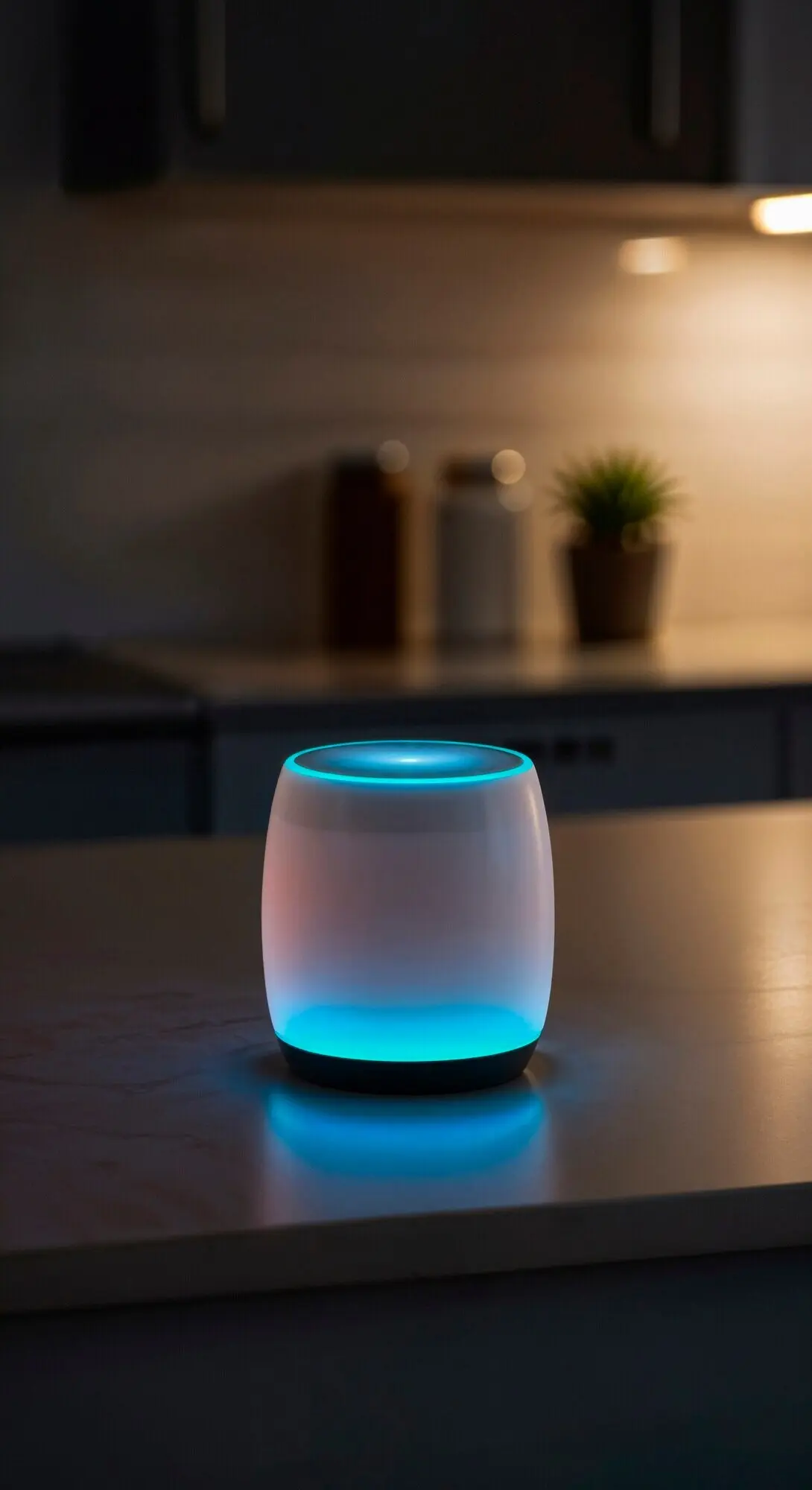
Ambient cues and soundscapes
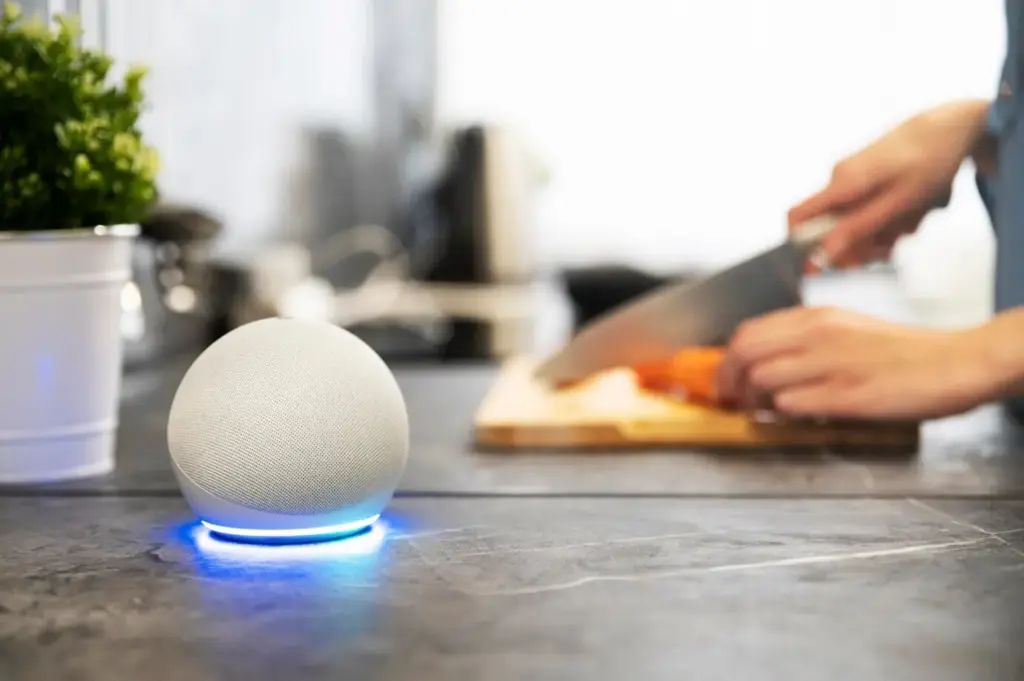
Use subtle LED pulses to indicate doors left ajar, soft tones for completed laundry, and warm color shifts as bedtime approaches. Because these signals are local, there is no data trail. The house feels communicative yet private, soothing occupants rather than demanding attention or nudging toward screens.

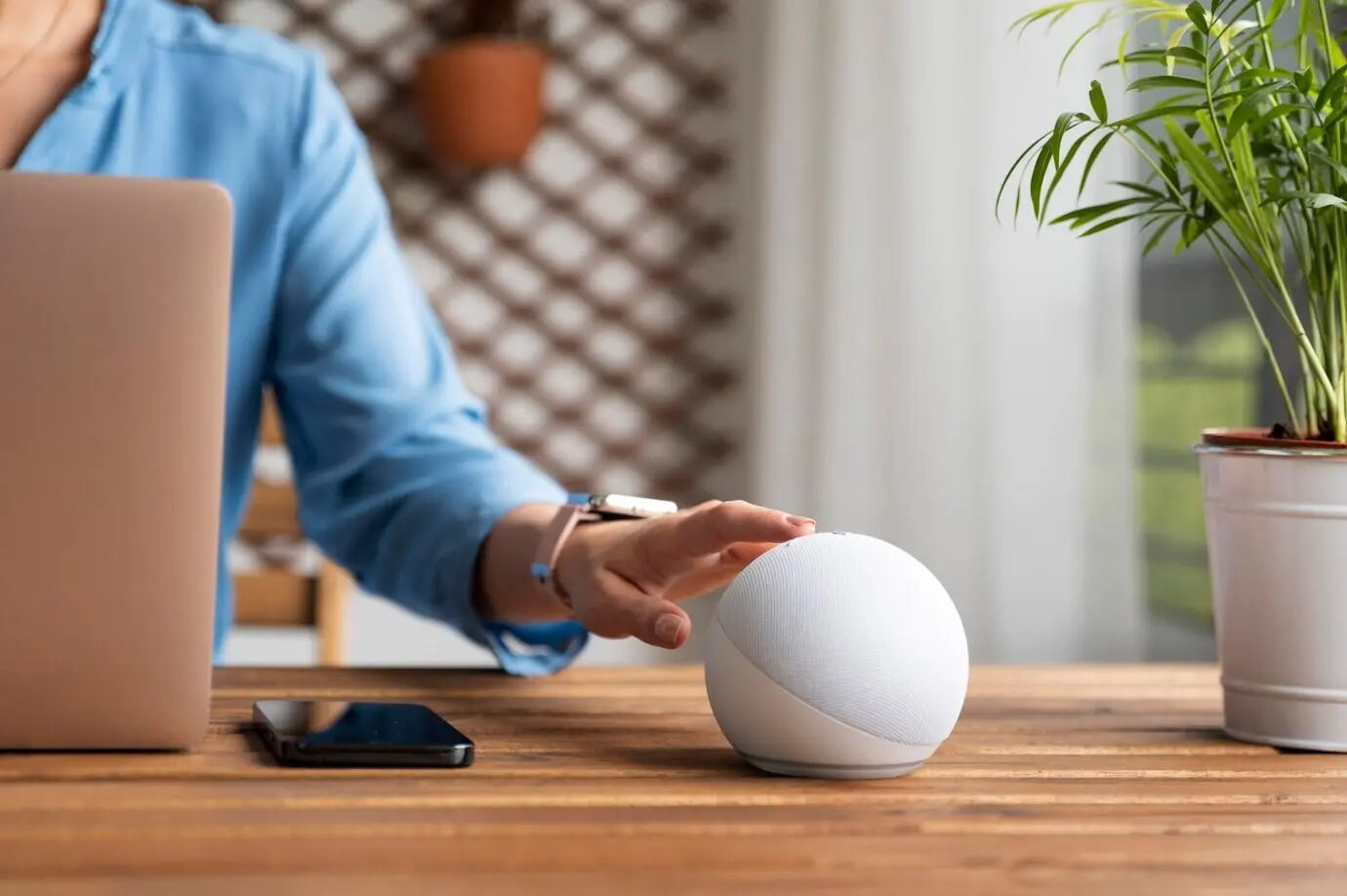
Gesture and presence
Millimeter‑wave presence sensors identify motionless occupancy without cameras, enabling lights to stay on while you read and fade when rooms truly empty. Pair with door sensors for confidence, and avoid false triggers from pets. The experience feels magical yet respectful, adapting quietly instead of performing for an audience.