

Quiet Power at Home: Private, Local Automation Without Screens

Today we explore privacy-centric, local-only smart home automation without screens, where every decision stays on your network, routines glide on dependable sensors, and interactions become ambient, tactile, and voice-led. Expect faster responses, calmer spaces, and real ownership of data—no cloud logins, no telemetry, just resilient comfort you can trust even when the internet blinks.

Your Data Stays Home: Principles of Private Automation

Start with a simple promise: nothing leaves unless you say so. By running automation logic, voice recognition, and storage on local hardware, you remove invisible observers and unpredictable outages. Fewer accounts, predictable updates, and auditable configurations deliver a calmer experience. This philosophy encourages restraint, clarity, and reversible choices, so family members feel respected while still enjoying lights, climate, and security that work predictably, instantly, and with dignity every single day.

Local-first by design

Keep the brain of your home on a small, efficient computer, such as a Raspberry Pi with SSD or a fanless mini PC. Combine it with Zigbee, Thread, or Z-Wave networks, and orchestrate everything through open-source software, ensuring rules, logs, and automations execute entirely at home without hidden cloud dependencies.

Minimal data, maximum intent

Collect only the signals that drive meaningful action: occupancy, temperature, light, and buttons. Trim verbose logs, rotate them locally, and avoid personally identifying recordings. When decisions require history, summarize rather than hoard. This mindset reduces risk, speeds troubleshooting, and keeps your automations focused on outcomes rather than surveillance.

Transparency and control

Favor systems you can inspect and change. Choose devices with local APIs, disable remote access by default, and document what each automation does in plain language for your household. When everyone understands the rules, trust grows, and changes happen smoothly without hidden side effects or unpleasant surprises.

Reliable hub choices

Pick hardware that favors stability over spectacle: Raspberry Pi 4 or 5 with an SSD, Intel NUC‑class fanless boxes, or purpose-built controllers. Prioritize low idle power, silent cooling, and ECC-like reliability in storage. The result is faster boot, lower latency, and fewer surprises during updates.

Protocols that respect boundaries

Opt for Zigbee, Thread with Matter, or Z-Wave to form local meshes where devices talk efficiently without tunneling to remote servers. Favor brands that expose local APIs and avoid forced cloud pairing. You’ll gain consistent response times, fewer failures, and independence from vendor logins or outages.

Local voice that actually works

Run offline wake word detection and speech-to-intent pipelines on inexpensive hardware. Tools like Rhasspy, Porcupine, Vosk, and Piper enable room-by-room microphones that respect privacy while remaining snappy. Voice becomes a convenience layer, not a dependency, complementing buttons and sensors rather than replacing them.

Life Without Screens: Interfaces You Can Feel

Put focus back on lived experience. Instead of dashboards, rely on tactile switches, haptic feedback, audio chimes, and gentle lighting cues. Presence sensors handle routine adjustments, while occasional voice commands cover exceptions. The result is less distraction, more reliability, and stronger accessibility for children, elders, and guests. When internet service stutters, the household still flows: lights ramp softly, blinds track the sun, and doors announce arrivals with polite tones rather than intrusive notifications or glowing rectangles.

Physical buttons that never need an app

Map single, double, and hold actions to useful scenes that anyone can trigger without explanation. Sturdy wall switches and battery buttons carry years of muscle memory, outlasting fashion cycles. When visitors arrive, they turn on lights instinctively, and your automations simply reinforce the expected outcome instead of fighting it.
Ambient cues and soundscapes

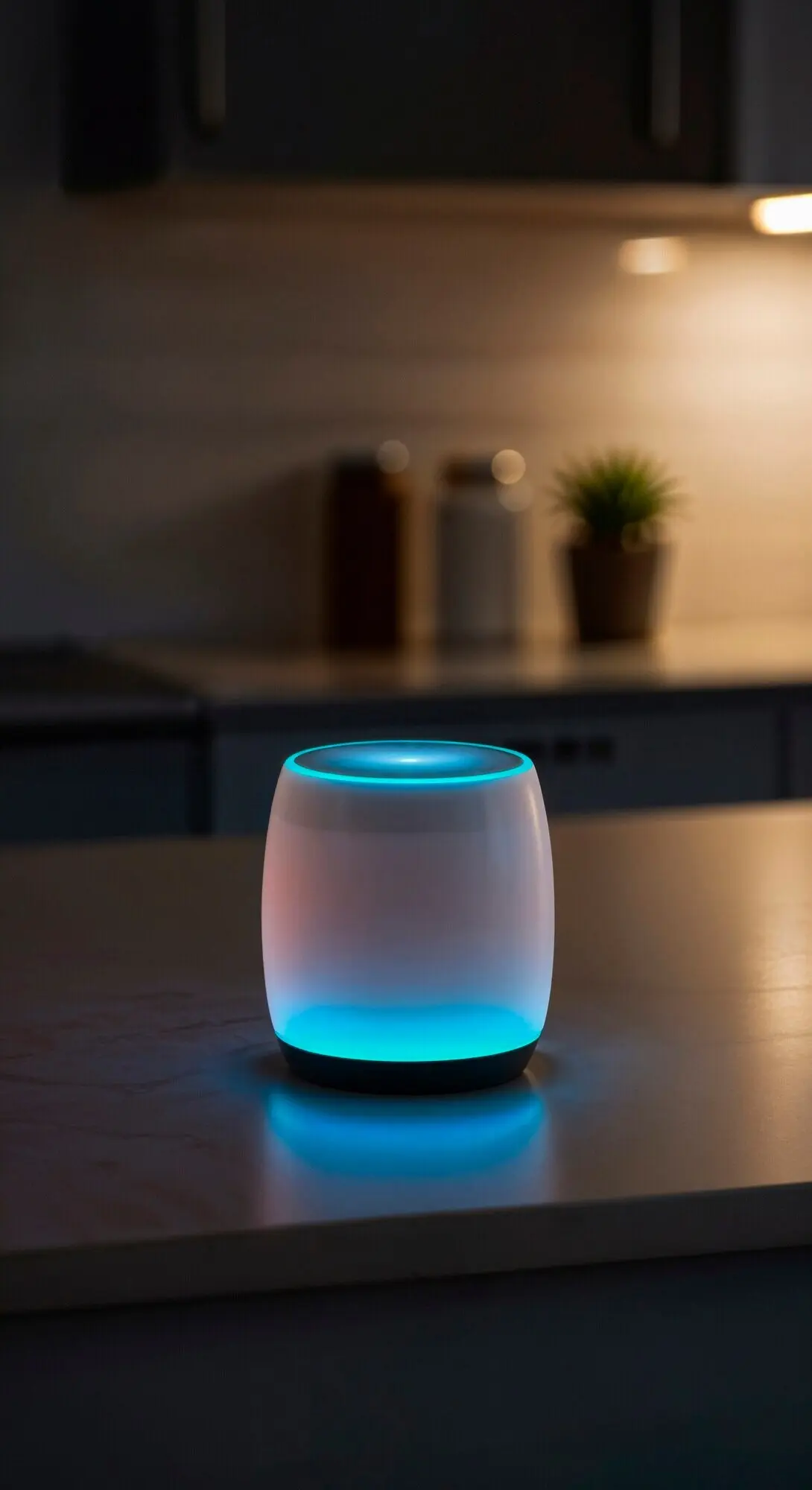
Use subtle LED pulses to indicate doors left ajar, soft tones for completed laundry, and warm color shifts as bedtime approaches. Because these signals are local, there is no data trail. The house feels communicative yet private, soothing occupants rather than demanding attention or nudging toward screens.

Gesture and presence

Millimeter‑wave presence sensors identify motionless occupancy without cameras, enabling lights to stay on while you read and fade when rooms truly empty. Pair with door sensors for confidence, and avoid false triggers from pets. The experience feels magical yet respectful, adapting quietly instead of performing for an audience.
Designing Automations That Disappear

Security, Resilience, and Maintenance

Treat the house like a small, cherished server. Segment IoT devices on their own network, expose nothing publicly, and require strong local credentials. Schedule backups to offline storage, test restores, and document procedures somewhere printable. Apply updates deliberately after snapshotting, and keep spare sensors for quick swaps. With a tiny UPS and surge protection, automations ride through glitches gracefully. Most importantly, choose vendors that commit to local control and publish support timelines so your investments remain dependable.

Network segregation made simple

Create an IoT VLAN with limited routes to your hub and block unsolicited internet access. Allow mDNS only where necessary. Hardwire what you can, and pin devices to fixed DHCP leases. This design reduces attack surface while keeping local discovery smooth and maintenance predictable for years.

Backups, updates, and rollbacks

Automate snapshots before every significant change, sync them to encrypted storage, and verify recovery on a spare SD or SSD. Stage firmware updates gradually, starting with noncritical rooms. When something misbehaves, roll back fast, study logs, and reintroduce changes intentionally so confidence remains intact.

From Zero to Home: A Practical Walkthrough

Start small and win early. Choose a room, define two or three outcomes, and wire in dependable controls. Gather a short bill of materials, set aside one weekend, and photograph each step for future reference. After validation, replicate patterns across rooms and standardize naming. Costs stay reasonable with commodity sensors and efficient hubs, yet comfort rises dramatically. Share progress with your household so everyone understands controls. When confidence grows, invite friends to experience it, learn together, and trade ideas that keep everything local, respectful, and delightfully low maintenance.
Zuzinuxutazizuvanu
Privacy Overview

This website uses cookies so that we can provide you with the best user experience possible. Cookie information is stored in your browser and performs functions such as recognising you when you return to our website and helping our team to understand which sections of the website you find most interesting and useful.